The short version
- We are not a factory. We design the bed and place it with the factory that is right for it, so you are not limited to one factory's line.
- Foam density and construction decide whether a bed holds up. Plushness on day one does not.
- Covers need to be tested for washing, pilling, and zipper strength before you order.
- Compression and roll packing can cut freight and fulfillment cost on foam beds.
- Chewy, Amazon, and retail each have packaging and labeling rules to design for from the start.
Why work with a designer instead of going straight to a factory
A factory will sell you the bed it already makes, in the colors it already has. That is fine if you want a commodity. If you want a bed that stands out, holds margin, and does not come back as returns, you need someone who designs the bed for your customer and then finds the factory that can build it at your cost. We work for you, not the factory, and we already have factories we trust in China, India, and the US.
Bed types we develop
- Orthopedic beds with layered foam for older and larger dogs.
- Bolster beds for dogs that like to lean and curl.
- Crate mats and crate pads cut to exact crate interiors.
- Travel beds that fold, roll, or fit a vehicle.
- Cooling and outdoor beds with performance fabrics.
- Furniture grade beds with upholstered frames that sit in a room like furniture.
- Hotel beds built for commercial laundry. See hotel pet amenities.
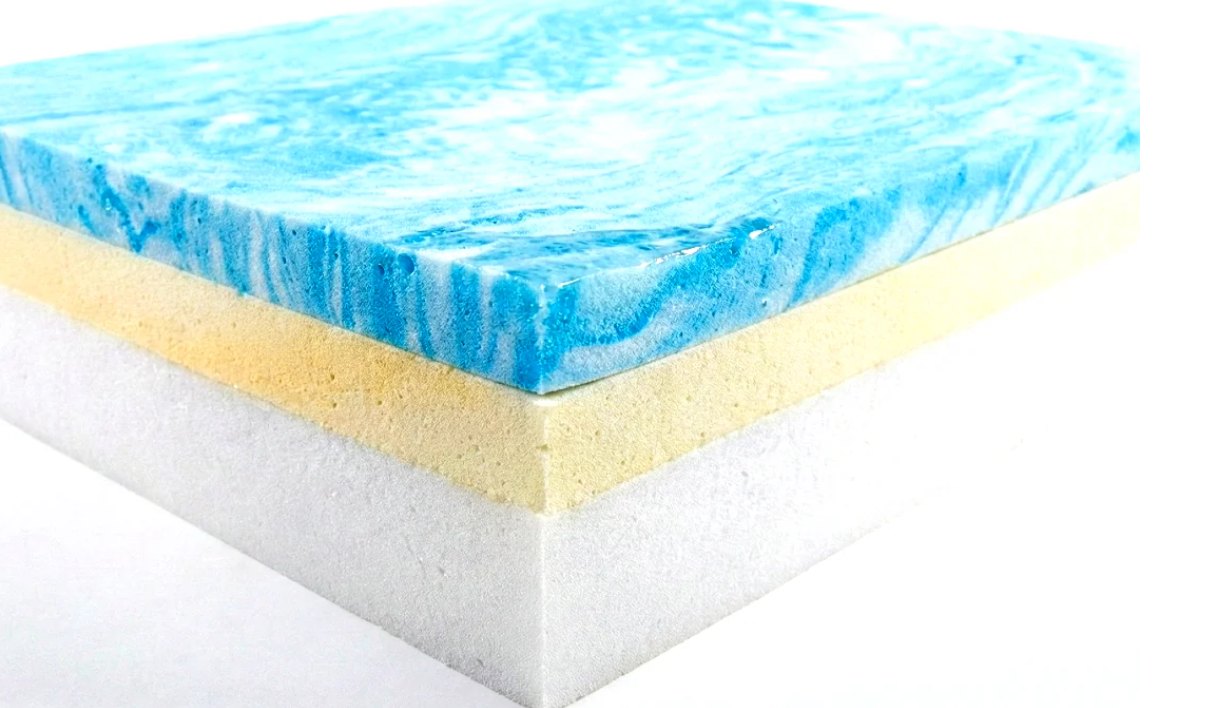
Foam and fill: what actually matters
The fill is the product. Most bed returns come from fill that flattens, so we spec it before we pick the fabric.
- Density tells you how much material is in the foam and how long it will last.
- Firmness tells you how it feels, and should match the size and age of the dog.
- Layering a supportive base under a comfort layer is how good orthopedic beds work.
- Certification of the foam should be verified with the certifying body, not just claimed on a spec sheet.
- Recovery after compression matters if the bed will be roll packed or vacuum packed for shipping.
Cover fabrics and durability
We test cover fabrics for washing, shrinkage, pilling, colorfastness, and seam and zipper strength before approving a sample. For dogs that dig or chew, we look at fabric weight and weave, hidden zippers, and reinforced corners. Removable, washable covers and a waterproof liner are standard on almost every bed we design.
Compression and roll packing
A dog bed is mostly air. Shipped at full size, it costs a lot to move and store, and marketplace fulfillment fees are often based on size. Compressing or roll packing foam beds can reduce those costs a great deal, but the foam has to be specified to recover fully, and the packaging has to tell the customer how long to let it expand. We design for this from the first sample.
Minimums, cost drivers, and lead times
| Driver | How it affects your order |
|---|---|
| Foam spec | Higher density and layered foam cost more but reduce returns |
| Fabric | Performance and custom printed fabrics cost more and may have their own minimums |
| Sizes and colors | Each size and color usually carries its own minimum |
| Construction | Bolsters, piping, and hidden zippers add sewing time |
| Packaging | Roll packing lowers freight but needs the right foam and packaging |
| Country of origin | Changes unit cost, duty, and lead time |
We quote every bed on landed cost per unit so you can price it with confidence.
Ready for Chewy, Amazon, and retail
We design packaging, labels, and case packs to the channel you sell in, and build compliance details like law labels and warnings into the tech pack. Beds have sold through Chewy, Amazon, Wayfair, and national retail on programs we have designed.
How the process works and what it costs
A bed project follows the same steps as any product: brief, concept, tech pack, factory placement, sampling, pre production sample, then production and inspection. A single product project starts from $6,000. A full bed line can run as a fractional product lead at $1,999 per month for 90 days. See pet product design for details.